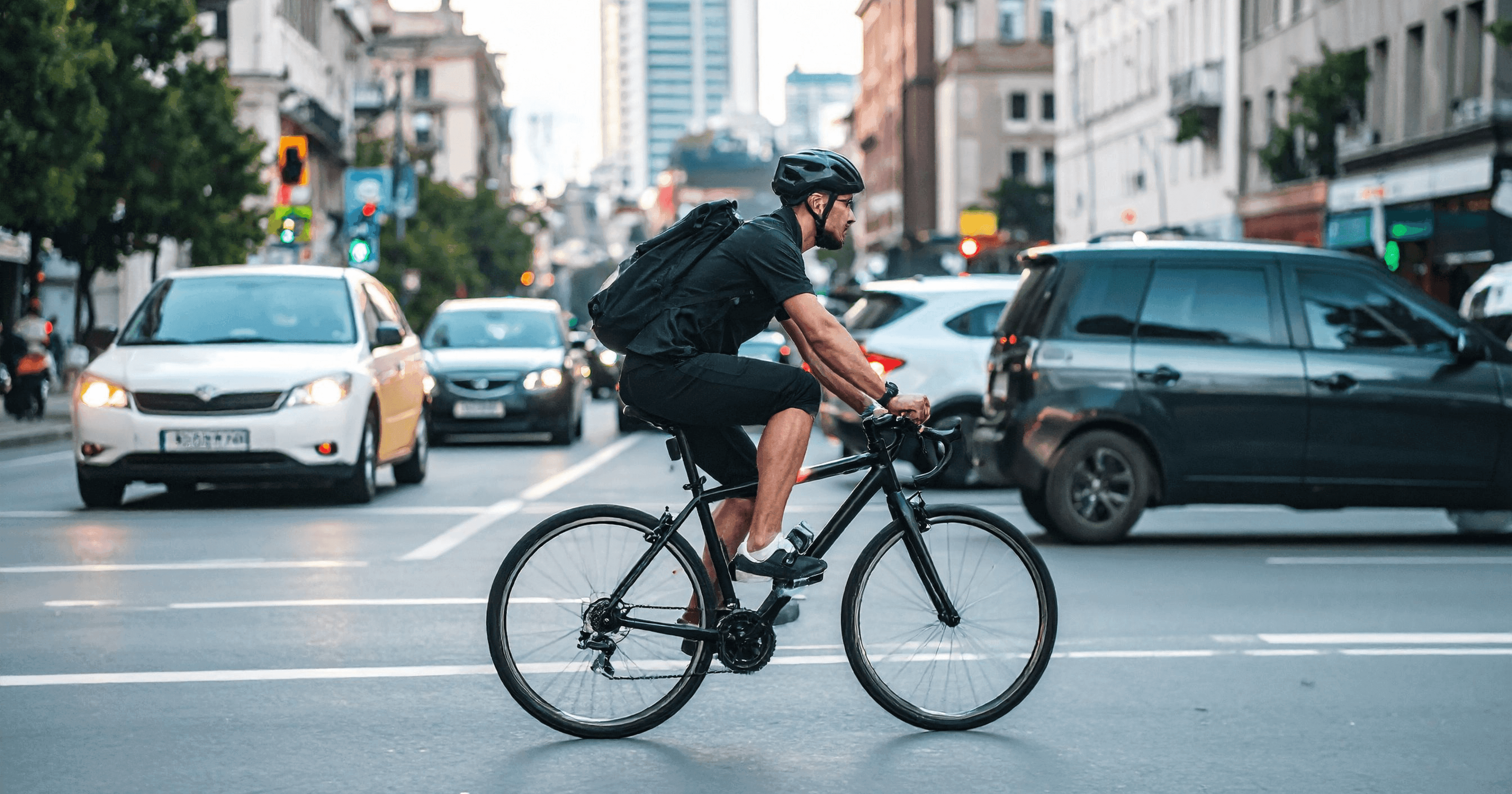
It usually starts like any other ride
The weather looks fine. The route is familiar. You’ve done this ride countless times before.
A morning loop on the road bike. A solo gravel ride after work. A steady weekend session to clear your head.
Nothing feels risky. You’re not taking chances. You’re just riding.
And that’s exactly the point.
According to the European Commission’s latest available thematic analysis on cyclist safety, nearly 2,000 cyclists lose their lives on EU roads each year. These crashes don’t tend to happen during extreme conditions or exceptional rides. They happen during normal journeys, on ordinary roads, to people doing what they do every week.
When we talk about “everyday cyclists,” we don’t just mean short trips through city centers. We mean people who ride regularly — on roads, on gravel, on familiar routes — often solo, often without thinking of themselves as vulnerable.
A problem that hasn’t meaningfully improved
What makes this issue harder to ignore is that, over time, it hasn’t gone away.
The most recent cyclist safety analyses published by the European Commission and the European Road Safety Observatory show that cyclists remain the only road user group whose fatalities have not significantly declined since around 2010. While drivers and pedestrians have benefited from improvements in vehicle safety, enforcement, and infrastructure, cyclists have not seen the same long‑term progress.
This matters because cycling itself is growing. Usage data from Eco‑Counter and EuroVelo shows that cycling levels across Europe continue to rise, especially in regular fitness, road, and recreational riding.
And yet, cycling still accounts for only around 8% of short‑distance trips across the EU on average, according to European Commission mobility surveys. Safety remains one of the strongest reasons people hesitate to ride — or stop riding altogether.
Where crashes really happen
When cyclists talk about danger, cars usually come up first. And for good reason.
Across Europe, the majority of fatal cyclist crashes involve motor vehicles, particularly on road sections and at intersections where cyclists and cars interact directly. Intersections are overrepresented in cyclist fatalities compared to overall road deaths, because they concentrate speed differences, limited visibility, and uncertainty.
But that’s not the whole picture.
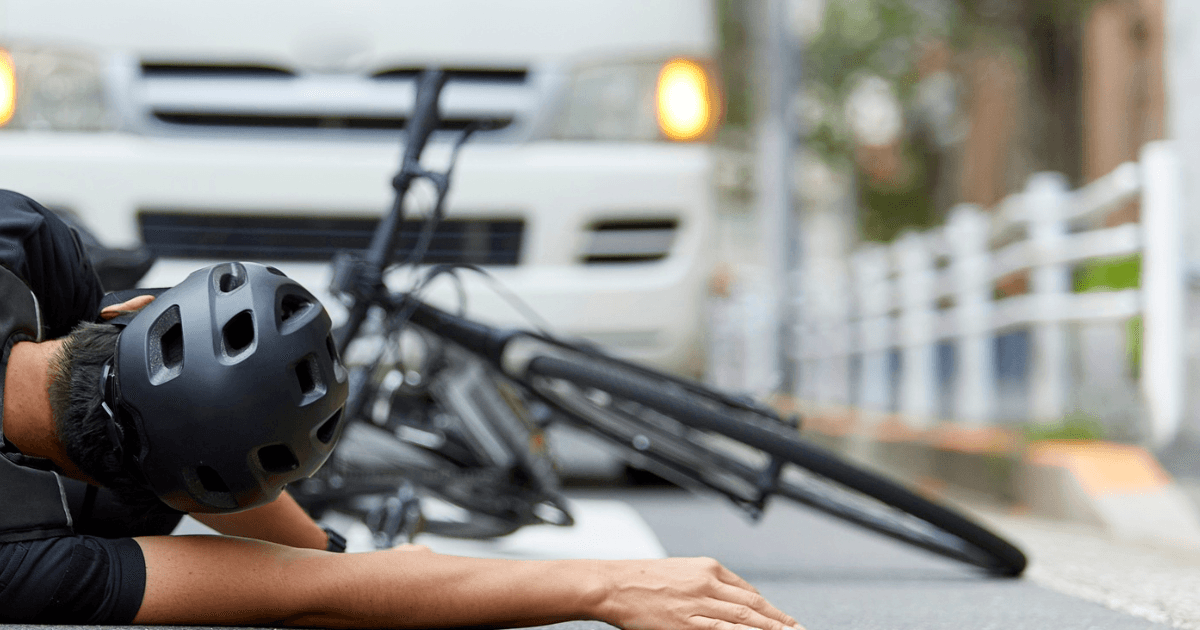
A significant share of serious cycling injuries comes from single‑bicycle crashes, where no other vehicle is involved. These are commonly linked to poor road surfaces, gravel and debris, potholes, narrow shoulders, slippery paint, and unexpected obstacles — patterns consistently identified in European cyclist safety analyses.
These incidents often happen:
On quiet stretches of road
On well‑known training routes
During solo rides, far from immediate help
In these moments, the danger isn’t only the crash itself — it’s what happens next. Being unseen. Being unable to reach someone. Having no one know where you are, or even that you’re out riding.
This is where simple tools — like sharing a live ride or notifying trusted contacts when you start and finish — can meaningfully reduce uncertainty and help others step in if something goes wrong.
Safety is also about how cycling feels
Safety isn’t only measured in statistics. It’s felt on the bike.
In a global Ipsos survey cited by the European Cyclists’ Federation, around half of respondents said cycling in their area feels too dangerous. Where cycling feels unsafe, people ride less. Where it feels safe, participation rises.
That perception has lasting consequences.
According to Shimano’s State of the Nation research, more than a third of Europeans say cycling has become less safe for children in recent years. When parents lose confidence, cycling culture doesn’t just slow down — it struggles to renew itself.
And most cyclists aren’t looking for adrenaline. They’re fitting rides into real life. They don’t want to feel fearless. They want to feel comfortable enough to keep riding.
Infrastructure works — but it can’t do everything
There’s strong evidence that infrastructure saves lives.
European Commission analyses show that physically separated cycle tracks reduce bicycle crashes by around 50–60% compared to painted or marked lanes. Where cyclists are truly separated from traffic, safety improves significantly.
But infrastructure evolves slowly and unevenly. Even in regions with good networks, cyclists still deal with:
Long stretches of mixed traffic
Rural roads with limited maintenance
Routes where protection disappears without warning
This doesn’t mean infrastructure isn’t essential — it is. But it also means cyclists need support in the reality they ride in today.
That’s where technology can act as a complementary layer of safety, helping riders feel less exposed on everyday rides while larger systems catch up.
The limits of hardware‑led safety
The cycling industry has tried to address safety concerns — largely through hardware.
GPS trackers, smart locks, bike computers, and dedicated alert devices promise protection and peace of mind. Across Europe, solutions like I LOCK IT GPS, BikeFinder, PowUnity, AlterLock, and BikeFlare rely on physical devices paired with proprietary apps and ongoing service plans.
These systems can be effective, but they also introduce barriers:
Extra devices to buy and install
More components to charge and manage
Higher upfront costs
For many cyclists — including road and gravel riders who already invest heavily in their bikes — safety hardware often feels like added complexity rather than a natural part of riding.
As a result, meaningful safety tools exist, but they remain out of reach for many everyday riders.
The real gap
Put together, the gap becomes clear.
Cycling carries real, persistent risks — from traffic interactions to unpredictable road conditions. Many serious incidents happen during routine, solo rides. Proven safety tools exist, but they are often hardware‑dependent, expensive, or difficult to integrate into normal cycling habits.
The need is real.
The access is not.
A software‑first way forward
A more inclusive approach starts with what most cyclists already carry.
Phones are already part of nearly every ride — tracking routes, navigation, messages, and photos. Used thoughtfully, they can also support safety quietly in the background.
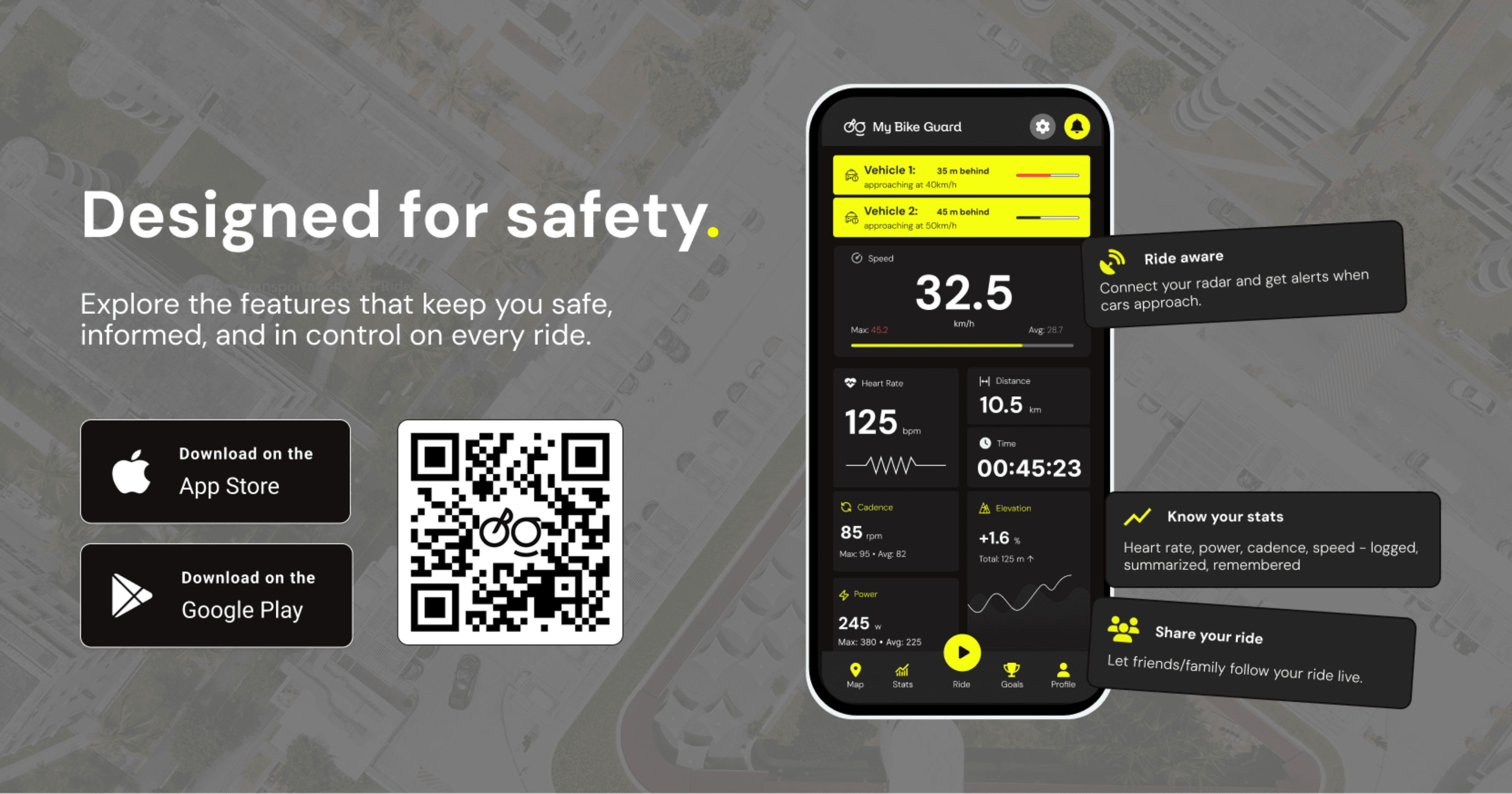
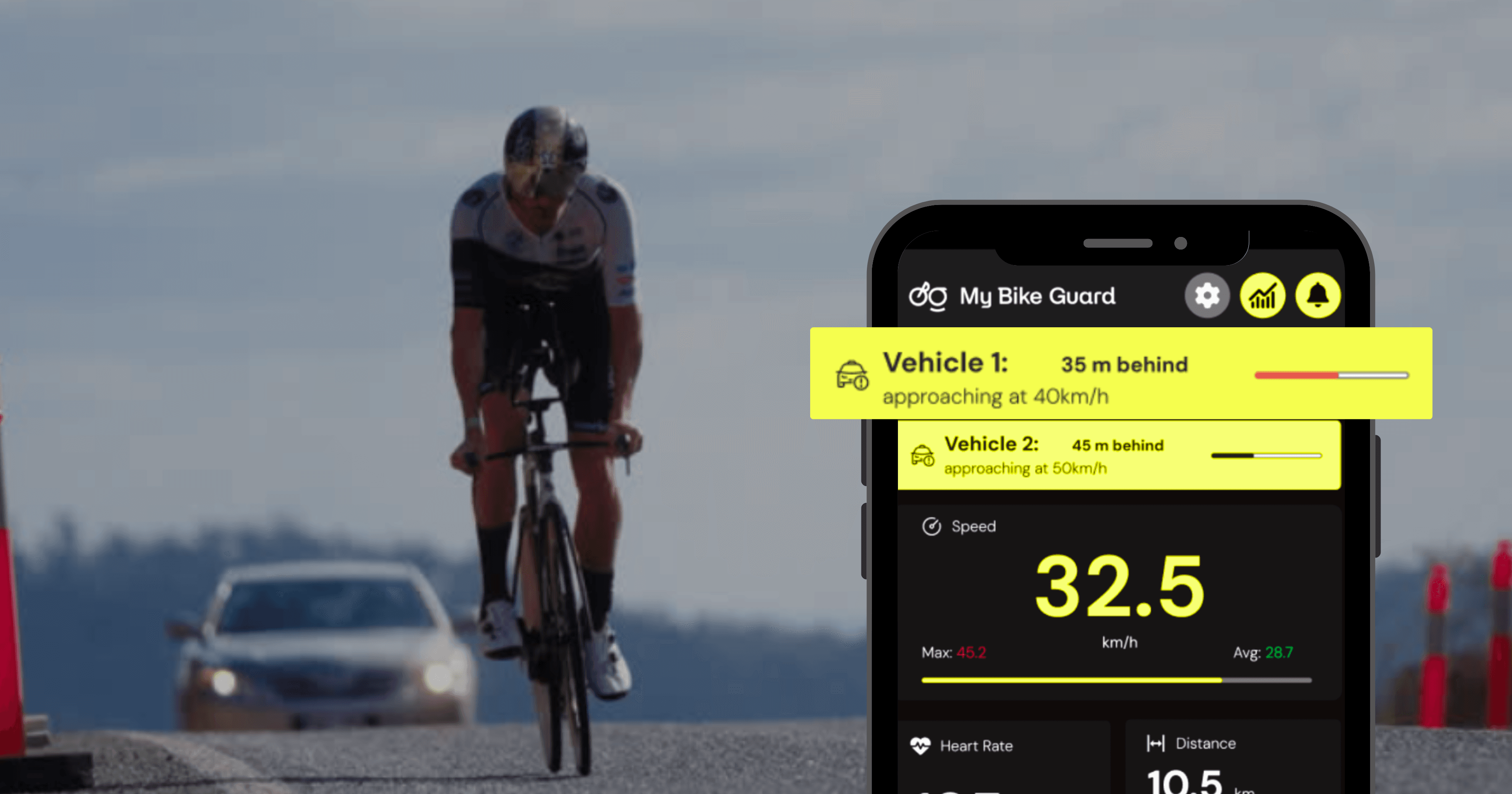
That’s the idea behind My Bike Guard.
Features like Family Ride Guard are designed around real riding patterns: notifying trusted contacts when a ride starts and ends, allowing them to follow progress in real time, and offering reassurance that someone will notice if something goes wrong.
By focusing on software rather than dedicated devices, safety becomes easier to adopt — and more aligned with how people actually ride.
Safety shouldn’t be a premium add‑on
Cycling will never be risk‑free. But it shouldn’t feel fragile.
If cycling is going to continue growing in Europe — on roads, on gravel, and everywhere in between — safety must be something riders can rely on every day, not something reserved for those willing to invest in complex hardware.
Closing the cycling safety gap isn’t about fear.
It’s about confidence.
And confidence is what keeps people riding — today, tomorrow, and for the long term.